
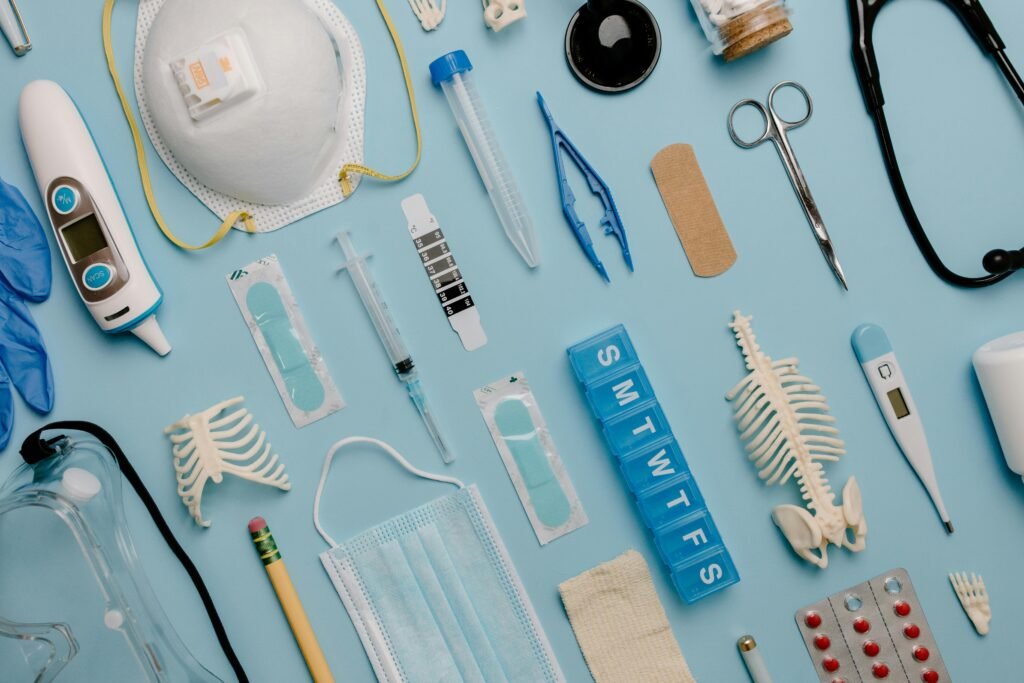
The first day of clinical posting has a way of exposing every gap in your preparation. One minute you feel confident in your crisp uniform, the next minute a senior asks for a tool you forgot, and suddenly you’re borrowing, improvising, and wishing you had planned betterLet’s walk through ten essentials every medical or nursing student should have before stepping onto the ward.
Let’s walk through ten essentials every medical or nursing student should have before stepping onto the ward.
A Reliable Stethoscope
This is your everyday companion. From vital signs to chest assessments, you’ll use it constantly. Invest in one with clear acoustics and comfortable earpieces. Cheap stethoscopes often mean poor sound quality, which can affect your learning and accuracy.
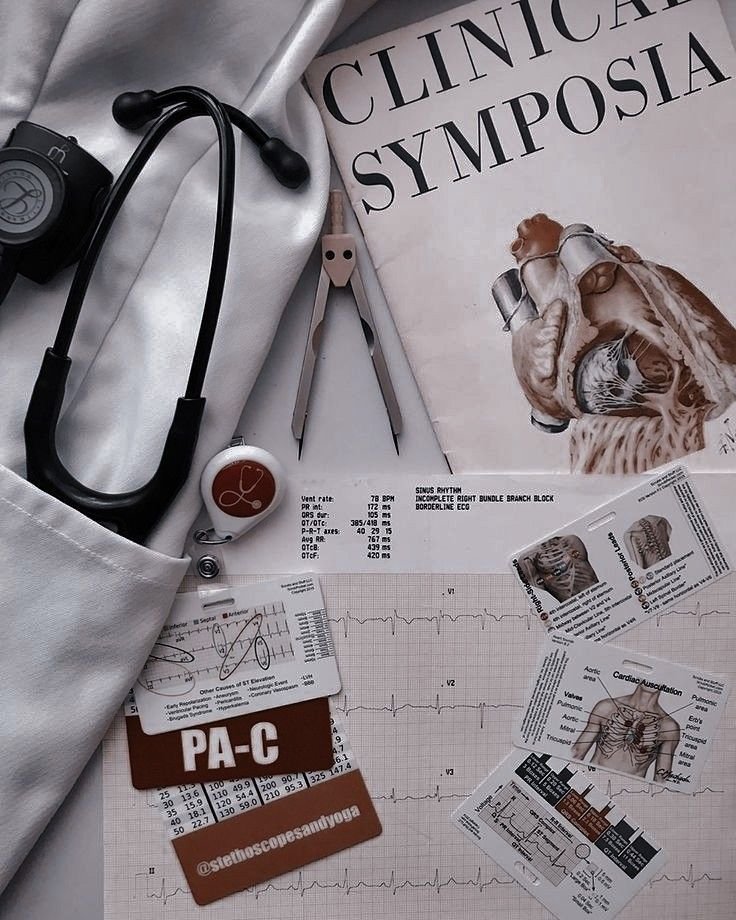
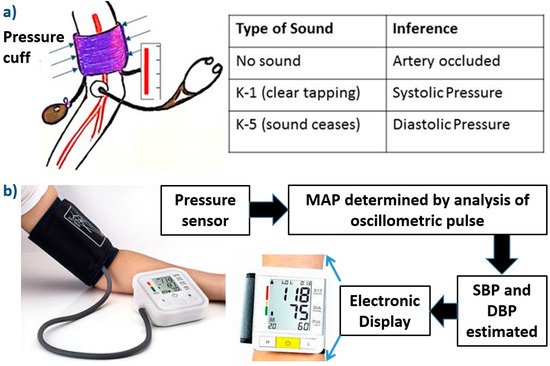
Manual Blood Pressure Monitor (Sphygmomanometer)
Even if your hospital has digital devices, knowing how to measure BP manually is a core clinical skill. Having your own ensures you can practice anytime without waiting or searching for equipment.
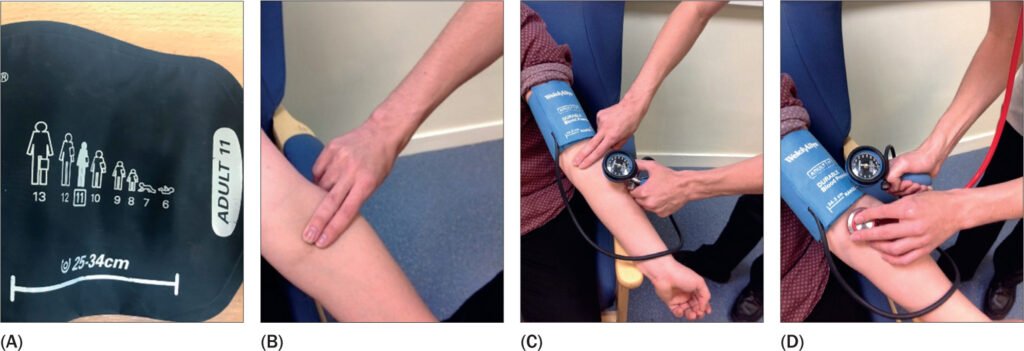
Penlight
Small but indispensable. You’ll need it for pupil assessments, throat examinations, and quick checks during rounds. Choose a durable one with bright, focused light.
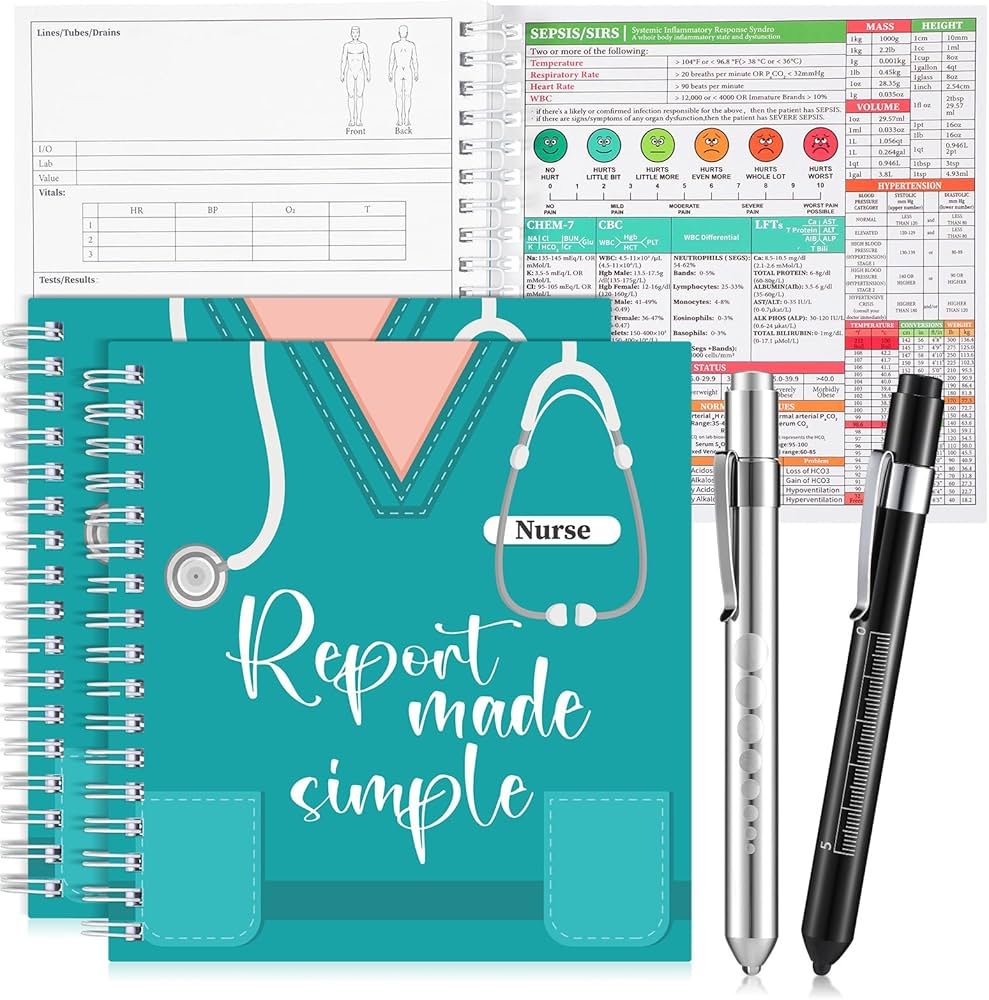
Pocket Notebook
You will forget things. Drug names, patient notes, instructions, clinical pearls from supervisors — write them down. A compact notebook keeps critical information at your fingertips.
Medical Clipboard
This keeps documents neat and gives you a firm writing surface during ward rounds. It instantly upgrades your professional appearance and keeps papers from getting wrinkled or lost.
Watch with a Second Hand
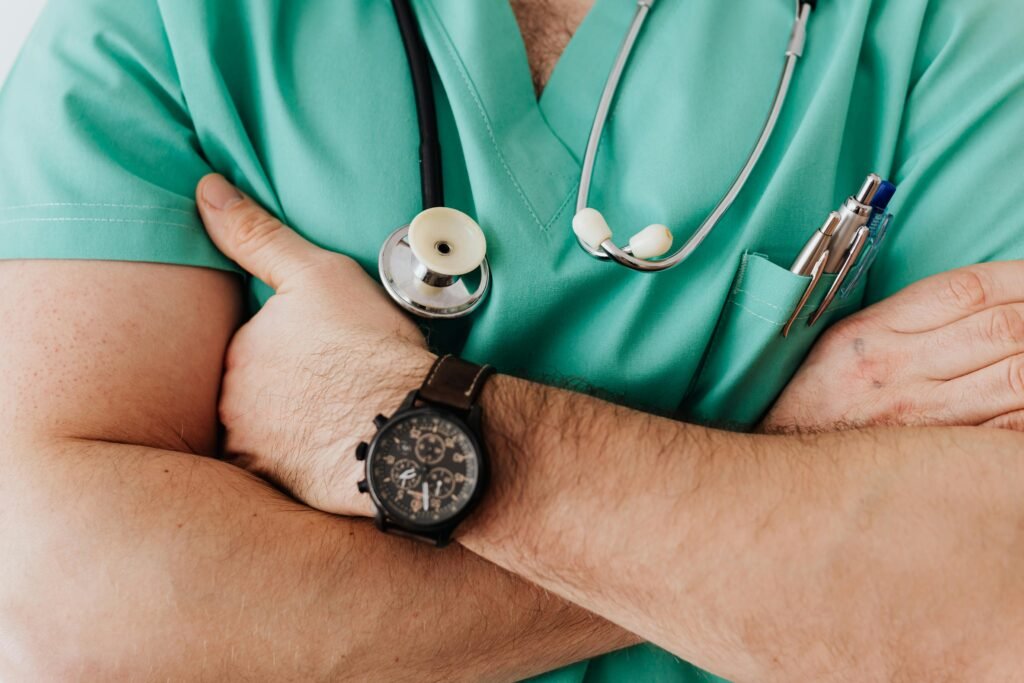
Yes, it still matters. You’ll time pulse rates, respiratory rates, and procedures. Smartwatches are fine, but ensure they’re allowed and practical. A simple analog watch is timeless and dependable.
Comfortable Clinical Shoes
Long hours of standing and walking will test your endurance. Prioritize comfort, support, and safety. Your feet, back, and concentration will thank you.
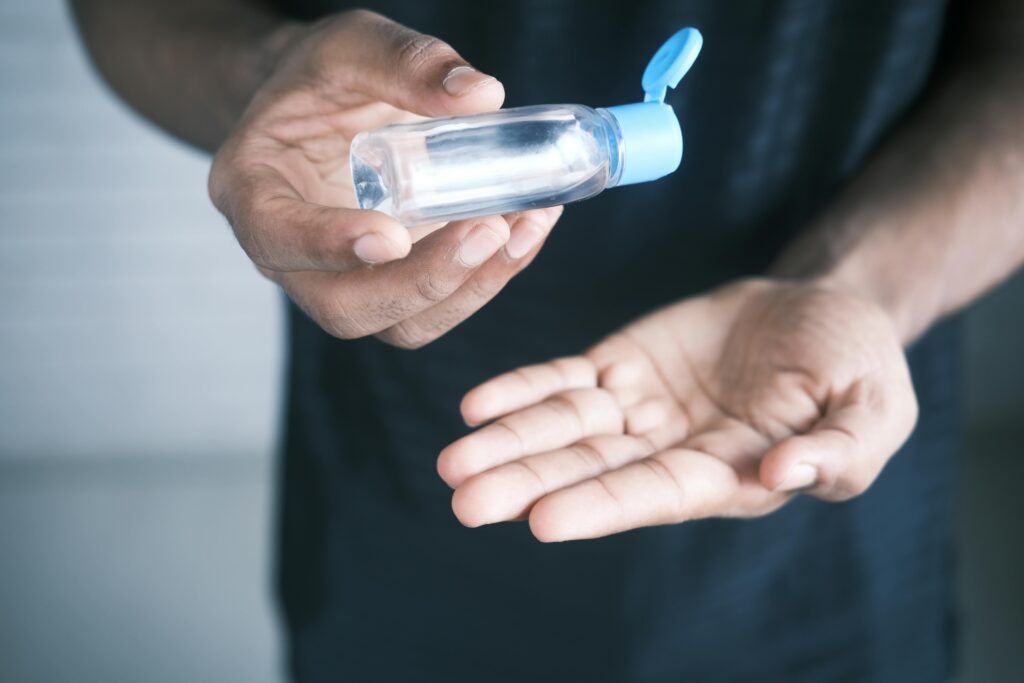
Hand Sanitizer
Hospitals provide sanitizing stations, but having your own ensures hygiene is never compromised. Infection control is not optional — it’s part of professional responsibility.
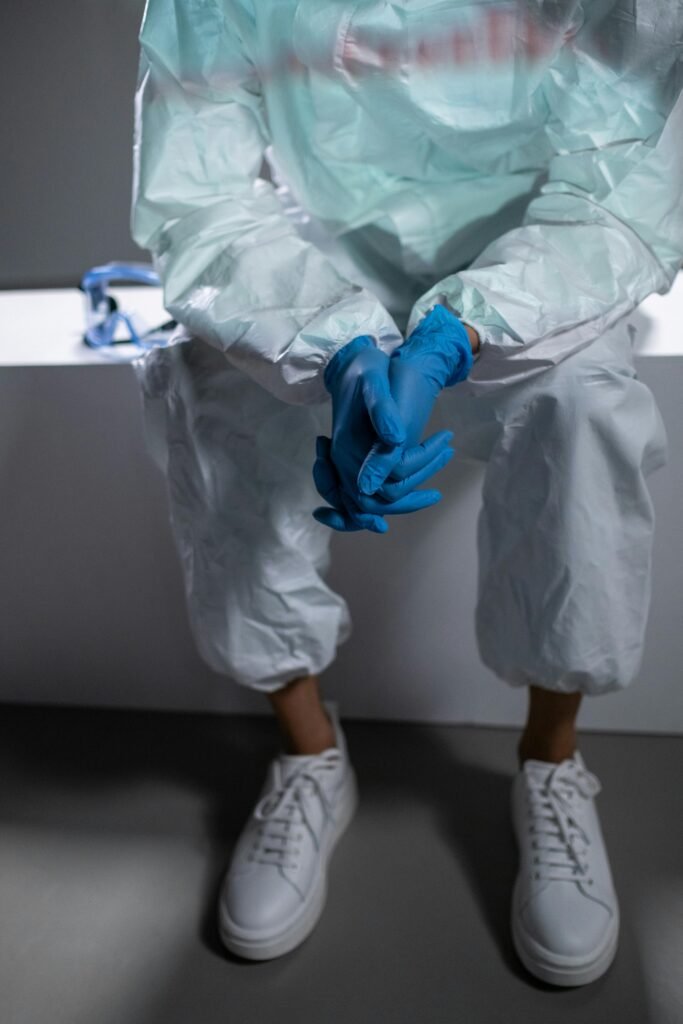
Basic Protective Supplies
Depending on your posting, items like gloves, face masks, or protective eyewear may be necessary. Having personal backups prevents awkward moments when supplies run low.
A Well-Organized Medical Bag
All your essentials need a proper home. A structured bag keeps you efficient and prevents frantic searching when a supervisor asks for something quickly.
Why These Items Matter More Than You Think
Clinical posting is stressful enough. The last thing you need is anxiety from being underprepared. When you carry your own tools:
- You respond faster
- You appear confident and professional
- You practice more freely
- You focus on learning instead of worrying
Preparation changes how you’re perceived and more importantly, how you perceive yourself.
Many students wait until posting begins before buying equipment. That usually leads to rushed decisions, overpriced purchases, or low-quality tools that don’t last.
Clinical rotations are a defining phase in your journey. They shape your competence, confidence, and professional identity. Showing up prepared isn’t about impressing others — it’s about respecting the opportunity to learn and care for patients.
If you’re getting ready for posting or rotations, now is the perfect time to assemble your kit.
Explore our Products Page at Dimma’s Stores and equip yourself with high-quality medical essentials designed for students and healthcare professionals.