
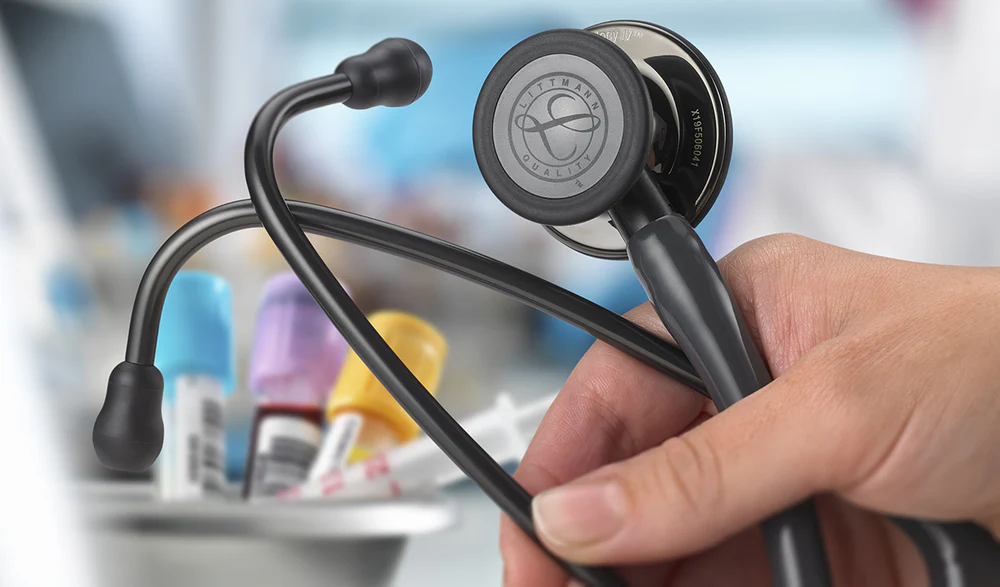
Medical equipment is more than a collection of tools — it’s an investment in your training, your confidence, and your daily performance. Yet, many students and even professionals unknowingly shorten the lifespan of their equipment through simple neglect.
A stethoscope tossed carelessly into a bag. A blood pressure cuff folded the wrong way. A penlight with dying batteries at the worst possible moment.
Small habits matter. Proper care doesn’t just preserve your tools — it protects your accuracy, hygiene, and professional image.
Why Equipment Care Is Non-Negotiable
Whether you’re a student in clinical posting or a practicing professional, your tools face daily wear:
-
Frequent handling
-
Exposure to bacteria and fluids
-
Constant transport
-
Accidental drops
Without proper maintenance, even high-quality equipment deteriorates faster than expected.
1. Clean Your Equipment Regularly
Hygiene is the first rule.
Stethoscope:
Wipe the diaphragm and earpieces with alcohol wipes after clinical use. This prevents infection transmission and keeps sound quality intact.
Blood Pressure Cuff:
Clean the fabric and tubing periodically. Sweat and skin oils accumulate over time.
Thermometers & Penlights:
Disinfect surfaces, especially if used across multiple patients.
Consistency beats intensity. Quick cleaning after use is better than rare deep cleaning.
2. Store Equipment Properly
Improper storage is one of the biggest causes of damage.
Avoid:
-
Stuffing tools loosely into overcrowded bags
-
Tight bending of tubing
-
Leaving items exposed to heat or sunlight
Instead:
-
Use a structured medical bag
-
Coil tubing gently
-
Keep delicate tools in protective pouches
Heat can warp plastic and rubber components — especially stethoscope tubing.
3. Handle With Intent
Many damages happen not from heavy use, but careless use.
-
Don’t swing your stethoscope around your neck
-
Avoid dropping devices onto hard surfaces
-
Close cases gently
Treat equipment like precision instruments — because they are.
4. Replace Consumables Promptly
Some parts are meant to be replaced:
-
Penlight batteries
-
Earpiece tips
-
Bulbs
-
Worn cuffs
Delaying replacements affects performance. Dim light, poor acoustics, or inaccurate readings can compromise clinical tasks.
5. Protect Against Moisture
Liquids are silent destroyers.
-
Dry equipment after cleaning
-
Avoid storing damp items
-
Keep electronics away from spills
Moisture leads to corrosion, mold, and internal damage.
6. Inspect Your Tools Periodically
Make quick checks a habit:
-
Cracks in tubing
-
Loose connections
-
Weak elastic
-
Fading calibration marks
Early detection prevents bigger failures later.
7. Avoid “Bag Abuse”
Your bag can either protect or punish your tools.
Choose one with:
-
Compartments
-
Padding
-
Structure
Randomly stacked items cause scratches, pressure damage, and bent components.
The Hidden Benefit of Proper Care
Well-maintained equipment:
 Performs accurately Looks professional Lasts longer Saves money Builds confidence
Nothing undermines confidence like faulty tools during patient assessment.
Caring for your equipment reflects how seriously you take your profession. It signals discipline, responsibility, and attention to detail — qualities every great healthcare professional must embody.
You worked hard to acquire your tools. With a little consistency and awareness, they can serve you reliably for years through school, postings, and beyond.
Ready to upgrade or replace worn-out equipment? Visit the Products Page at Dimma’s Stores and explore durable, high-quality medical essentials for students and professionals.