
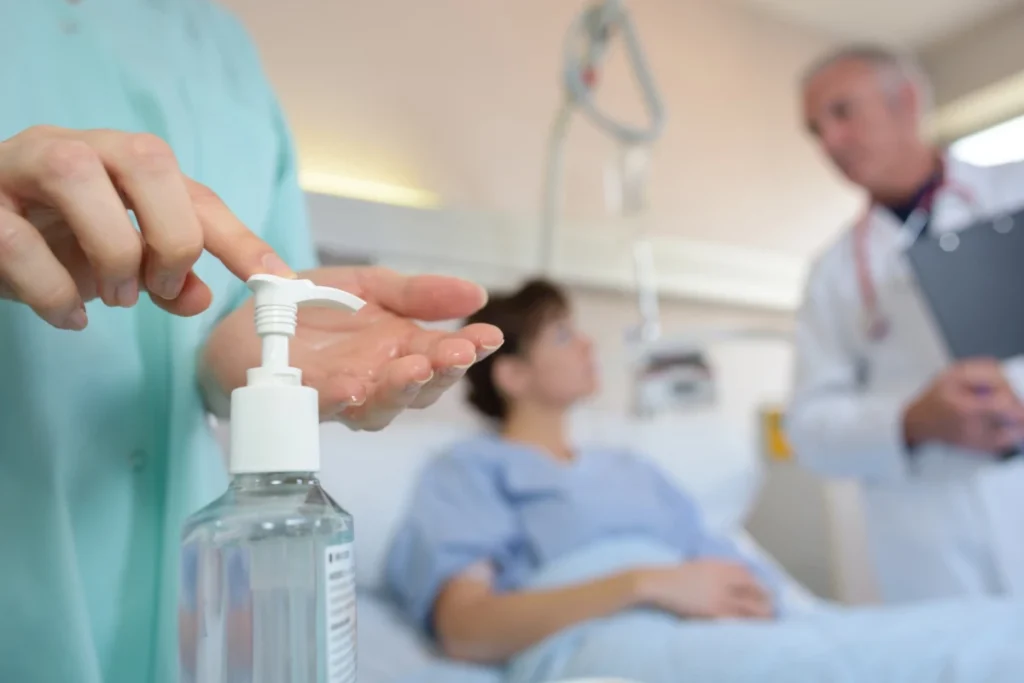
There is a moment every clinical student experiences. You reach for a patient, hesitate, and suddenly wonder: Am I fully protected?
Hospitals are places of healing, but they are also environments where pathogens thrive. As a student moving between wards, patients, and procedures, infection control is not just protocol — it is personal safety, patient protection, and professional responsibility.
Being prepared is not about fear. It is about respect for the clinical environment you are stepping into.
Why Infection Control Matters More for Students
Clinical students face unique risks:
-
Frequent patient contact while still learning
-
High exposure across multiple departments
-
Limited control over hospital supply availability
-
Increased vulnerability to accidental contamination
Relying solely on ward supplies can leave you exposed at the worst possible moment.
1. Hand Sanitizer
Your first line of defense.
Even with sanitizing stations available, having a personal bottle ensures you never skip hand hygiene due to inconvenience. Choose an alcohol-based sanitizer for maximum effectiveness.
Use it:
-
Before and after patient contact
-
After touching surfaces
-
After glove removal
2. Disposable Gloves
Gloves are basic, but availability is not always guaranteed.
Keep personal backups for:
-
Examinations
-
Procedures
-
Unexpected tasks
Remember: gloves are not a substitute for hand hygiene.
3. Face Masks
Still relevant in many clinical settings.
Masks protect against:
-
Respiratory droplets
-
Close-contact exposure
-
High-risk patient interactions
Having your own prevents awkward delays when needed urgently.
4. Protective Eyewear / Face Shield
Often overlooked by students.
Essential for situations involving:
-
Splash risk
-
Suctioning
-
Minor procedures
-
Laboratory work
Eye exposure is a real transmission route.
5. Pocket-Sized Disinfectant Wipes
Perfect for cleaning:
-
Stethoscope diaphragms
-
Penlights
-
Small tools
Quick disinfection between patients protects both you and them.
6. Personal Lab Coat or Protective Gown
Acts as a barrier between you and contaminants.
A clean, well-maintained coat:
✔ Enhances professionalism
✔ Reduces contamination risk
✔ Protects clothing
Wash regularly. Do not rewear visibly soiled coats.
7. Disposable Tissue / Pocket Pack
Simple yet practical.
Useful for:
-
Cough etiquette
-
Quick cleanups
-
Barrier protection
8. Small Biohazard Disposal Bags (Optional but Smart)
Helpful during community postings or settings with limited disposal options.
Common Student Mistake
Many students assume:
“The hospital will provide everything.”
Reality:
-
Supplies run out
-
Emergencies happen
-
Not all wards are equally stocked
Prepared students adapt smoothly. Unprepared students scramble.
Infection Control = Professionalism
Supervisors notice students who:
-
Sanitize consistently
-
Use protective barriers correctly
-
Handle equipment hygienically
It signals maturity, awareness, and clinical discipline.
Protecting yourself is protecting your patients. Infection control is not an extra step — it is woven into safe clinical practice.
Before your next posting or rotation, ensure your essentials are ready.
Visit the Products Page at Dimma’s Stores to find high-quality infection control supplies designed for clinical students and healthcare professionals.